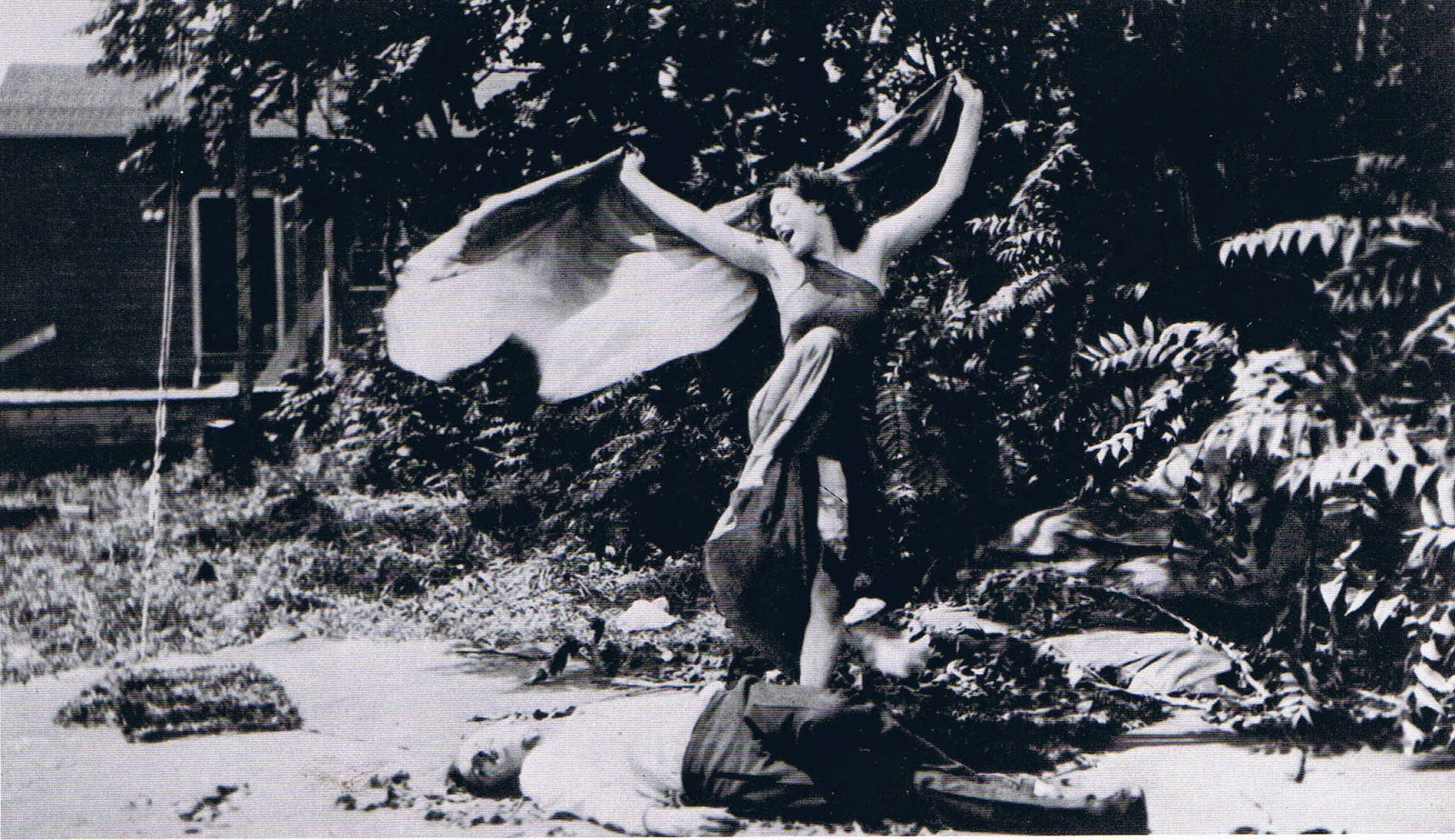
For some reason today, I want to travel back to that art deco and swing that exploded from the Interwar period. And thus, my attention is currently focused on the silent films of the 1910s – 20s, which in vampire film history is a pretty weird time. I’m going to go over what I’ve learned from this era, and why this particular era is so fascinating to investigate.

Most of my literary research has come from the monograph Vampires on the Silent Screen: Cinema’s First Age of Vampires 1897-1922 by David Annwn Jones. And to be totally up front, I am not the biggest fan of David’s overall interpretation. However, I can get past that and find the true gems that Jones reveals throughout the silent film era. This won’t be my review of Jones’ work, as I’ll write that when I’ve completed the monograph.
The biggest things to take away from the silent film era are twofold: First, we don’t know what the first vampire film is; and second, due to censorship, vampires were much more opaque in conception and metaphorical, up until Murnau’s Nosferatu (1922). As cathartic it may be to claim to have found the first vampire film, we need to temper our expectations and understand that vampire films during this time look a lot different than they do post-Nosferatu. Plenty of people, including Jones, include a lot of films that are either titled something vampiric, but have nothing in terms of “vampiric themes,” or create some weird classification of vampire to fit as many films as they can into this time period. I do not wish to do this. You may look at my everchanging Letterboxd lists (Feature film and short film) and see that I am still trying to formulate a corpus of vampire films that I am satisfied with. And as I investigate each film further, and read more about vampires in general, I whittle down the lists until I have something more researched and thought out.
But what constitutes a vampire film during this time? What do they look like? In short, we start to see that adaptation of literature and stage plays are the primary focus of vampire films during this time. And while that aforementioned censorship means that we don’t get the pulpy or gruesome vampires, we do start to see the vampiric themes of those stories on the silver screen. What I find interesting is that a lot of time has been focused on two subjects in the silent vampire film world: adaptations of A Fool There Was, and the film Nosferatu. In the case of A Fool There Was, this is what I personally believe to be the first vampire story of the silent film era. Based on a painting which inspired a poem, then a novel and finally a play1, the film adaptations of A Fool There Was created a new type of vampire in the form of the vamp. This vamp would come to exemplify the perceived dangers of women in urban cities, arguing for a more traditional -and compliant- female body. Most of these interpretations contain a famous scene of a play wherein a female vampire stalks and ultimately kills their prey, and it is meant to reflect on the protagonists’ current state in their respective films. Some may disagree with me on the fact that these vamps are not vampires, and they are right in doing so. However, to ignore these films would be a disservice to those films and their influence on vampire film as well as their identity as vampire films themselves. They maintain the vampire’s archetype of the Shadow, while creating the film language that later films would use.
I’ll end this with my thoughts on the original Nosferatu and why it is typically seen as the end of the silent film era of vampire films. In the grand narrative that is vampire film, many see Nosferatu to be succeeded by the seminal Dracula (1931), which isn’t necessarily incorrect. Nosferatu directly influenced Tod Browning’s film in a lot of ways, and it makes sense to take the natural progression from silent film to talkies with these two films. But what of Carl Theodor Dreyer’s Vampyr (1932)? Still a silent film, it also maintains that silent film vampire films are adaptations of literary works. Dreyer’s film, like Murnau’s, brings one of the most important vampire archetypes to the silver screen: the Carmilla. The reason I am being so particular with this film is to posit that we should not look at film in terms of hard start and end points. Rather, like any history, we should see the ebb and flow of these stories and how they evolve congruently. That way we as people interested in vampire film can give the entire body of work a complete and honest assessment.
- Jones, David Annwn. Vampires on the Silent Screen: Cinema’s First Age of Vampires 1897-1922. Palgrave Gothic. Springer Nature Switzerland, 2023. 47. https://doi.org/10.1007/978-3-031-38643-5.
↩︎
Leave a Reply